-5% on your 1st eSIM
WELCOME5
Loading...
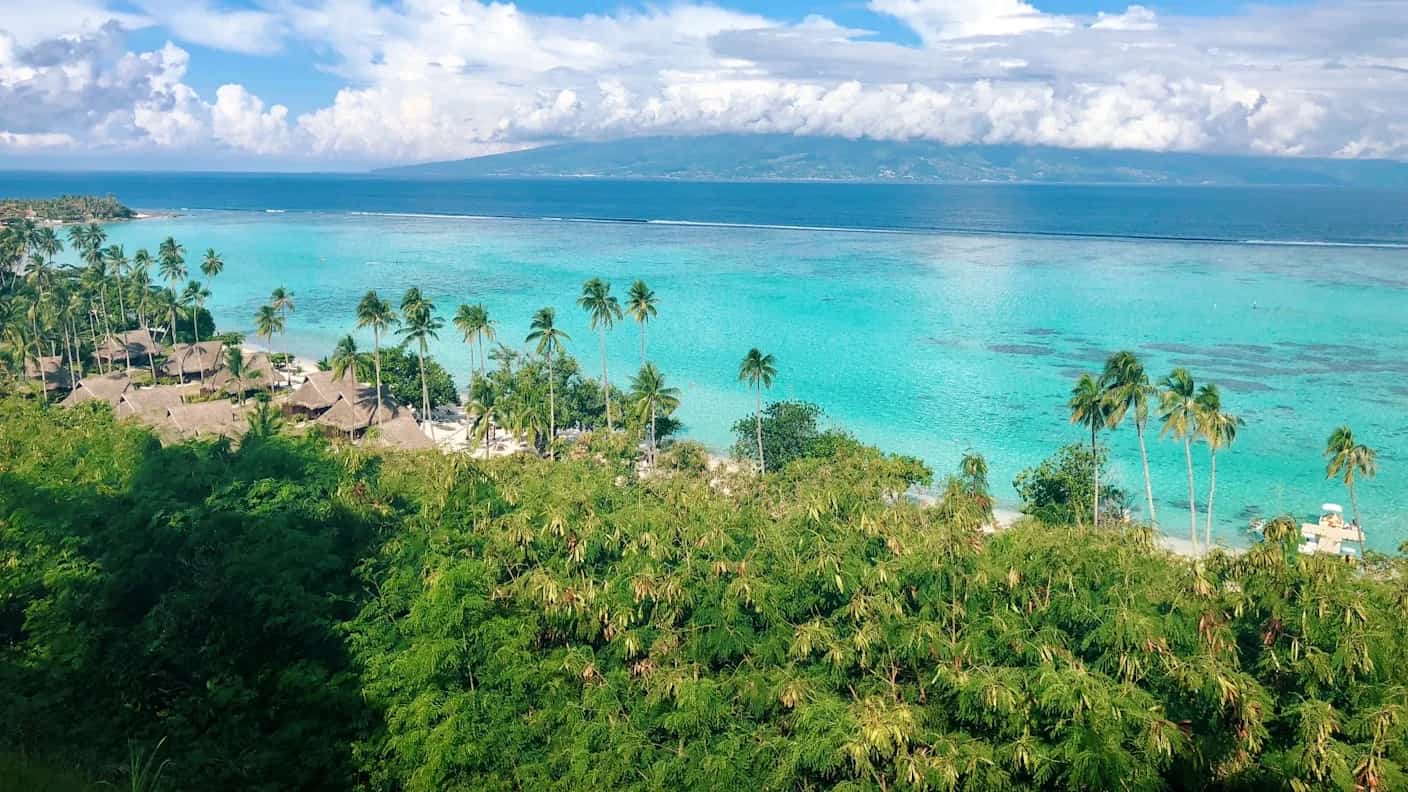
Everything you need to pick the right French Polynesia eSIM in 2026: how Vini coverage works across Tahiti, Moorea and Bora Bora, what to expect on remote atolls, install steps, and realistic data needs.
 Dimitri Morvan
Looking for the best eSIM for French Polynesia? This guide compares the top providers, plans and prices. French Polynesia is scattered across an ocean the size of Europe, and staying connected between Tahiti, Moorea and Bora Bora takes a little planning. Whether you are booking a lagoon tour, navigating to a black-sand beach, checking an inter-island flight or sharing an overwater-bungalow sunset, an eSIM keeps you online without hunting for a local SIM. Install before you fly, land at Faa'a International near Papeete, and your phone connects the moment it finds the local network. This guide explains what Vini delivers across the islands and helps you pick the right plan.
A French Polynesia eSIM downloads to your phone as a digital profile, sits alongside your home line in a separate slot, and switches on the moment you arrive. For most travelers it removes the arrival-day scramble to find a local SIM and lets you keep your home number active for two-factor codes, banking apps and family messages while the eSIM handles data.
The trade-off is that your phone must support eSIM and be carrier-unlocked. Most iPhones from the XS onward, Samsung Galaxy S20 and newer, Google Pixel 3a and newer, and recent Motorola, Xiaomi and Oppo flagships qualify. If you bought your phone directly from Apple, Samsung or Google it is almost certainly unlocked; phones bought through a home-country carrier may need an unlock request before your trip to French Polynesia.
French Polynesia is served principally by Vini, operated by Tikiphone, which provides the mobile coverage across the inhabited islands. On the main tourist islands its 4G, and increasingly 5G around Papeete, is perfectly good for maps, messaging, social media and video calls.
Because the territory is so spread out and lightly populated, there is little of the competition that drives prices down elsewhere, so data here costs more than in most destinations. That makes plan sizing important: buy enough to cover your on-the-move needs, but lean on resort Wi-Fi for big downloads and streaming.
The practical reality of French Polynesia is distance. Coverage follows population, so it is solid where people live and thins to nothing across open water and on the remote atolls, which shapes how you should think about data here.
On the islands most visitors see, coverage is dependable. Tahiti and Papeete, Moorea, and Bora Bora all have solid 4G in the populated areas, resorts and main roads, with 5G emerging around the capital. Raiatea, Taha'a and Huahine in the Society Islands are also reasonably served near their villages and marinas.
Beyond that, expect to be offline often. The remote Tuamotu atolls like Rangiroa and Fakarava have limited coverage clustered around the villages, and you will have no signal on inter-island boat crossings, on lagoon excursions away from shore, or on the outer motus. Download maps, bookings and anything essential before you leave a populated island.
French Polynesia is a premium, low-competition data market, so eSIM prices run higher than in most destinations, and only a few providers cover the islands at all. Simsima runs on the local network. Here is how a 3 GB monthly plan compares across the providers that serve French Polynesia:
Because data is expensive here and much of your time is spent offline on the water or relying on resort Wi-Fi, a modest capped plan usually makes more sense than a large one. Simsima's French Polynesia lineup covers the common sizes; pick the smallest allowance that keeps you connected on the move and let hotel Wi-Fi handle the rest.
A French Polynesia trip involves a lot of genuinely offline time, on boats, in lagoons and on remote motus, and resorts provide Wi-Fi, so your active data use is lower than the islands' pace suggests. As a rough guide:
Installation takes a couple of minutes and is best done at home on Wi-Fi before you fly, since sorting connectivity once you are island-hopping is harder. You can set the plan to activate on arrival.
A local Vini SIM is available in Papeete, but sorting it out on arrival cuts into limited time and gives you a local number you will not keep. An eSIM you set up at home means you land connected and can head straight for your inter-island flight or ferry.
Default roaming from your home carrier is extremely expensive across the Pacific and makes little sense for a leisure trip. Given how much of French Polynesia is offline anyway, a modest travel eSIM plus resort Wi-Fi is the sensible combination.
In a place this remote, preparation is everything.
Yes. A French Polynesia travel eSIM connects to the local Vini network the same way a physical SIM does, as long as your phone supports eSIM and is carrier-unlocked. You install it before you travel and it activates when you land at Papeete.
Bora Bora, Moorea and Tahiti have dependable 4G in populated areas and resorts. The remote Tuamotu atolls have limited coverage around their villages, and you should expect to be offline on boat crossings and lagoon excursions.
French Polynesia is a small, remote market with a single main operator and little competition, and connecting far-flung islands is costly. That pushes data prices higher than in most destinations, so plan sizing matters.
Because much of your time is spent offline on the water and resorts provide Wi-Fi, a modest 2 to 3 GB plan covers most travelers for maps, messaging and social media on the move. Larger allowances rarely pay off.
Yes. The eSIM adds a second line, so your home number stays active for calls, texts and two-factor codes while the French Polynesia eSIM handles data.
Get a multi-country plan and save on your mobile data.
Or choose another country:
French Polynesia eSIM plans — Browse and compare all available French Polynesia eSIM plans on Simsima
eSIM-supported devices — Check whether your phone supports eSIM before you buy a French Polynesia plan
How Simsima works — Learn how to buy, install and activate an eSIM in a few minutes

Founder of Simsima. A passionate traveler based in Barcelona, he helps travelers stay connected without breaking the bank on roaming fees.
LinkedIn Destinations
 Destinations
 Destinations