-5% on your 1st eSIM
WELCOME5
Loading...
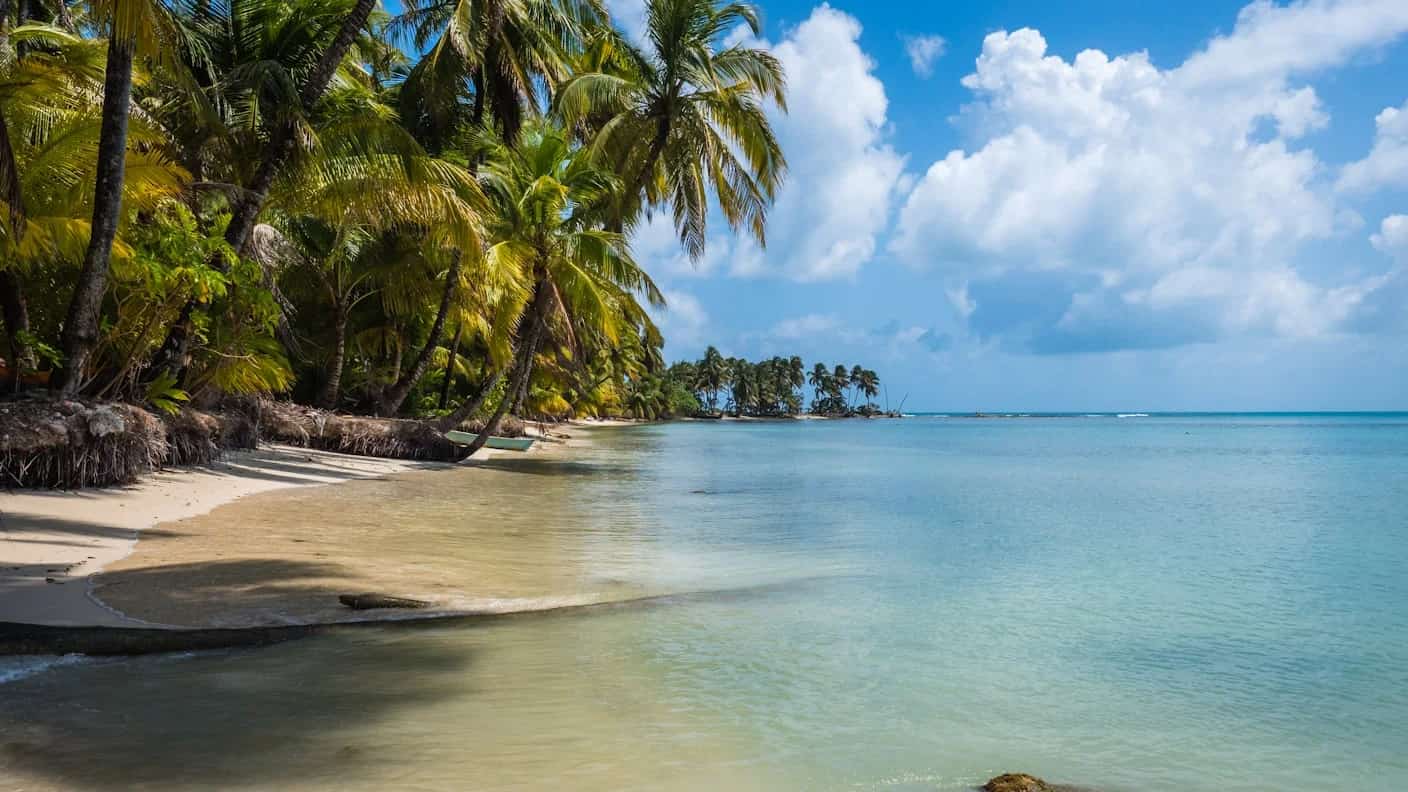
Everything you need to pick the right Nicaragua eSIM in 2026: how Claro and Tigo compare, coverage from Granada to San Juan del Sur and Ometepe, install steps, and how much data a trip needs.
 Dimitri Morvan
Looking for the best eSIM for Nicaragua? This guide compares the top providers, plans and prices. Nicaragua packs colonial cities, volcanoes and surf into an easy-to-travel country, from the streets of Granada and Leon to the surf breaks of San Juan del Sur and the twin volcanoes of Ometepe. Getting around runs on good data for maps, shuttle bookings, surf reports and messaging. An eSIM is the cleanest way to get it: install before you fly, land at Managua International, and your phone connects the moment it finds a local network. This guide compares the best eSIM options for Nicaragua, explains what Claro and Tigo deliver, and helps you pick the right plan.
A Nicaragua eSIM downloads to your phone as a digital profile, sits alongside your home line in a separate slot, and switches on the moment you arrive. For most travelers it removes the arrival-day scramble to find a local SIM and lets you keep your home number active for two-factor codes, banking apps and family messages while the eSIM handles data.
The trade-off is that your phone must support eSIM and be carrier-unlocked. Most iPhones from the XS onward, Samsung Galaxy S20 and newer, Google Pixel 3a and newer, and recent Motorola, Xiaomi and Oppo flagships qualify. If you bought your phone directly from Apple, Samsung or Google it is almost certainly unlocked; phones bought through a home-country carrier may need an unlock request before your trip to Nicaragua.
Claro is the market leader in Nicaragua, with the broadest national coverage across Managua, the colonial cities, the Pacific coast and the main roads. It is the network most travel eSIMs use, and its 4G handles maps, messaging, streaming and video calls well in the areas most visitors travel.
Tigo is the strong challenger, with good 4G/LTE in the cities and along the busy corridors of the Pacific side. For most itineraries along the main tourist trail the two are comparable, but Claro has the edge for anyone heading into the interior or smaller towns.
Nicaragua runs on 4G/LTE. There is no widespread 5G yet, but 4G in Managua, Granada, Leon and the surf towns is more than fast enough for navigation, social media and shuttle bookings.
The Pacific side and the main cities are well covered. Managua, Granada, Leon, Masaya, San Juan del Sur and the popular parts of Ometepe island near Moyogalpa and Altagracia all have dependable 4G, and the main highways linking them stay connected.
The soft spots are the highlands and the Caribbean side. The northern mountains around Matagalpa and Jinotega, the remote parts of Ometepe, and especially the Caribbean coast and the Corn Islands can drop to weaker or intermittent service. If you are heading to those areas, download offline maps and confirmations first.
Nicaragua is an affordable data market, so eSIM prices are low and allowances go a long way. Simsima runs on the local networks and prices sharply. Here is how a light 1 GB pack compares across eSIM providers:
If you would rather not track your usage, Nicaragua also has unlimited-data eSIMs. Here is how the unlimited plans compare:
Simsima's full Nicaragua lineup runs from small packs up to larger monthly allowances on the local networks. Because the country is compact and data is cheap, a 3 to 5 GB plan comfortably covers most trips, with more for longer stays or remote work in the surf towns.
Nicaragua is small and easy to cover, and hostels and cafes on the tourist trail have Wi-Fi, so data needs are moderate for most visitors. As a rough guide:
Installation takes a couple of minutes and is best done at home on Wi-Fi before you fly. You can set the plan to activate on arrival so the validity window does not start early.
A local Claro or Tigo SIM is cheap but means a shop stop after landing and a local number you will not keep. On a short trip an eSIM set up at home is simpler, and you arrive already connected for the shuttle to Granada or the coast.
Default roaming from your home carrier is the most expensive option by far. Unless your home plan explicitly includes Nicaragua at a fair rate, a travel eSIM is almost always cheaper and simpler for a trip of a few days to a few weeks.
A little preparation keeps you connected from the Pacific coast to the islands.
eSIM for Latin America: One Plan From Mexico to Patagonia
Yes. A Nicaragua travel eSIM connects to the local Claro and Tigo networks the same way a physical SIM does, as long as your phone supports eSIM and is carrier-unlocked. You install it before you travel and it activates when you land.
Claro has the widest national coverage, including the interior and smaller towns, and is the network most travel eSIMs use. Tigo is a strong alternative in the cities and along the Pacific corridor. For travel into the interior, Claro is the safer bet.
Not widely yet. Nicaragua runs mainly on 4G/LTE, which is fast enough for maps, messaging, streaming and video calls in the cities and surf towns.
For a typical week of maps, messaging, social media and light streaming, 2 to 3 GB is comfortable, and because data is cheap, 5 GB costs little more for heavier users or laptop tethering.
Yes. The eSIM adds a second line, so your home number stays active for calls, texts and two-factor codes while the Nicaragua eSIM handles data.
Get a multi-country plan and save on your mobile data.
Nicaragua eSIM plans — Browse and compare all available Nicaragua eSIM plans on Simsima
eSIM-supported devices — Check whether your phone supports eSIM before you buy a Nicaragua plan
How Simsima works — Learn how to buy, install and activate an eSIM in a few minutes

Founder of Simsima. A passionate traveler based in Barcelona, he helps travelers stay connected without breaking the bank on roaming fees.
LinkedIn Destinations
 Destinations
 Destinations