-5% on your 1st eSIM
WELCOME5
Loading...
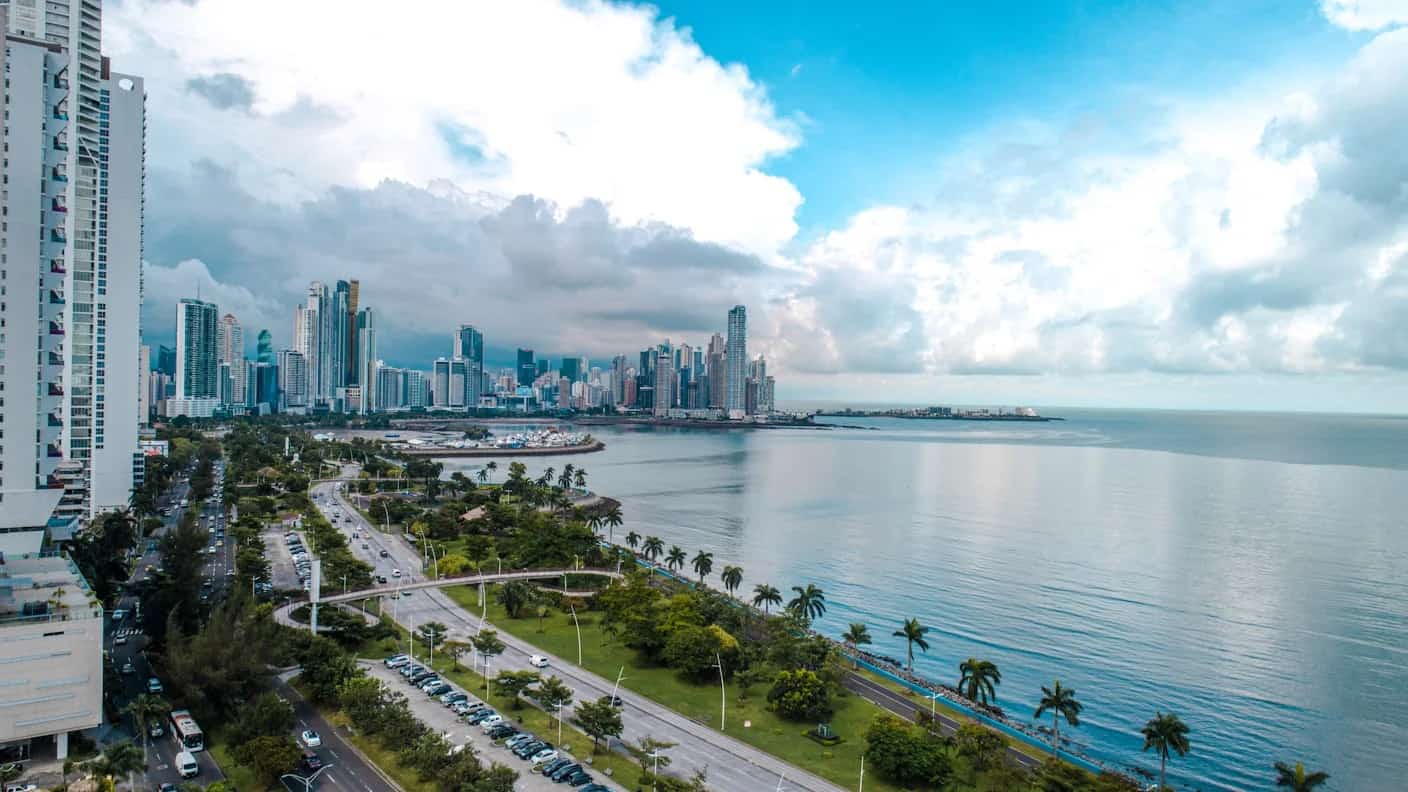
From Panama City's 5G core to the patchy islands of Bocas del Toro and the offline reaches of San Blas, here is how to pick the right eSIM for a smooth trip to Panama.
 Dimitri Morvan
Looking for the best eSIM for Panama? This guide compares the top providers, plans and prices. Panama packs an unusual amount of variety into a small country. In a single week you can go from the glass towers of Panama City to the cloud forests of Boquete, then hop a puddle jumper out to the Caribbean beaches of Bocas del Toro or the untouched Guna Yala archipelago on the San Blas coast. Each of those places has a very different relationship with mobile coverage, and that is where choosing the right eSIM for Panama really matters. This guide walks through the local carriers, where they actually work, and which plan setup makes sense for the way you plan to travel.
Panama has three main mobile operators. +Movil is the state-owned network that absorbed the former Cable & Wireless Panama business, and it is generally considered the most consistent for coverage outside the capital, including secondary highways and smaller towns. Tigo is the Millicom-owned network born from the merger of Movistar Panama and Tigo, and it has aggressive 5G rollout in Panama City and along the Pacific coast. Digicel focuses on prepaid customers and has solid urban coverage but tends to fall off faster in rural areas.
For an eSIM traveler, the practical difference between these networks matters less than it used to. Most reputable travel eSIMs roam across all three networks automatically, latching onto whichever tower gives the best signal. What you should check before buying is which network your eSIM prioritizes in Panama, because that affects real-world speed in busier areas like Albrook, Casco Viejo and the Amador Causeway. During Carnival season and around the Panama Jazz Festival in January, downtown cells can get congested for a few hours at a time, and eSIMs that fall back cleanly between +Movil and Tigo tend to hold up better than those locked to a single home network.
It is also worth remembering that Panama's networks were built out for a country whose population is concentrated in a narrow urban corridor. That means coverage maps look great on paper because most people live where the towers are, but the moment you head into the Darien, the Azuero peninsula's interior, or the smaller Guna Yala islands, you fall off the network fast. An eSIM that piggybacks on all three carriers gives you the best odds of staying connected in the transitional zones, such as the highway between Santiago and David or the back roads around El Valle de Anton.
Panama City is the easiest part of the country to stay connected in. All three carriers offer dense 4G LTE, and 5G is live in most of the metropolitan area including Costa del Este, Punta Pacifica, San Francisco, El Cangrejo, Casco Viejo and the business district around Via Espana. The Panama Canal corridor from Miraflores up to Gatun is also well covered, so travelers riding the Panama Canal Railway or booking a partial transit tour should stay online almost the entire route.
Casco Viejo, the UNESCO-listed old town, has become a magnet for digital nomads over the past few years. Speeds inside the neighborhood are consistently strong on 4G and 5G, and cafes are generally happy to share Wi-Fi as a backup. If you plan to work remotely from a rooftop in Casco or a co-working space in Marbella, you can comfortably rely on an eSIM as your primary connection and only fall back to Wi-Fi for large uploads. The one caveat is thick colonial masonry: signal inside older buildings on Avenida Central can drop a bar or two, so if you rent an apartment in a restored building, test the connection near the window before committing to a full day of video calls there.
The Panama Canal itself is a surprisingly good place to stay online. Whether you are watching a Neopanamax ship transit from the Miraflores observation deck, taking the scenic train to Colon, or joining a partial transit boat tour through Gatun Lake, you generally hold a signal for most of the route. That is convenient for uploading photos in the moment, but it is also genuinely useful, because canal transit tours often coordinate pickups by WhatsApp and cancellations by SMS.
Bocas del Toro is a different story. The main island, Isla Colon, has usable 4G in Bocas Town and near the airport, but signal drops quickly on the boat rides between islands. On Bastimentos, Zapatilla and Carenero you should expect patchy coverage that ranges from a slow 4G bar to nothing at all depending on which side of the island you are on. Travelers who want to stay reachable in Bocas should plan for offline stretches and download maps, translations and boat schedules before leaving the main island.
The San Blas islands, part of the autonomous Guna Yala comarca, are one of the most beautiful places in the Caribbean and one of the least connected. There is essentially no mobile coverage on the islands themselves, and even the boat transfers from Carti often lose signal within minutes of leaving the mainland. Do not count on any eSIM working here. Download offline maps, tell your family your itinerary in advance, and treat the trip as a genuine disconnect.
Boquete and David in the Chiriqui province have good 4G coverage in town centers, with 4G thinning out on hiking trails around Volcan Baru and the Quetzals Trail. Along the Pacific coast, Coronado, Santa Catalina and Pedasi all have workable mobile data, though speeds slow noticeably at peak beach hours in high season.
Unlimited plans make sense if you are streaming a lot, tethering a laptop, or working remotely from Panama City for a couple of weeks. Because Panama City has real 5G, an unlimited plan there feels genuinely fast, not just theoretically unlimited. Keep in mind that most travel eSIMs apply a fair-use policy after a daily high-speed cap, so read the small print if you plan to use the eSIM as a full home internet replacement.
For most travelers, a capped plan is the sweet spot. Panama trips tend to mix connected days in the city with offline days in Bocas or San Blas, so paying for unlimited data you cannot use makes little sense. A mid-sized capped plan covers navigation, ride hailing, messaging, and moderate social media use for a one to two-week trip. If you run out, you can usually add a top-up in the eSIM app rather than buying a whole new plan.
Here is a comparison of the main Panama eSIM plans against the leading international providers. Simsima offers competitive pricing thanks to direct deals with local carriers.
On the configurations shown above, Simsima delivers the most competitive rates against the leading international providers. You also benefit from instant activation and reliable network coverage in Panama.
Panama requires SIM card registration with an ID for local prepaid SIMs, which means a stop at a carrier store, a photocopy of your passport, and a form to fill in. It is not the end of the world, but it is time you could spend eating ceviche at the Mercado de Mariscos. An eSIM sidesteps all of that: you install the profile before you land, connect on arrival, and never have to swap your physical SIM, so you stay reachable on your home number for two-factor codes, banking apps and family calls.
The other underrated advantage is billing. Because the US dollar (locally called the balboa at par with USD) is legal tender in Panama, most travelers already have a mental model for pricing. But paying in your home currency through an eSIM app avoids ATM fees, foreign transaction fees, and the awkward math of estimating how much a 10 GB top-up should cost in cordobas or quetzales if you are coming overland from Nicaragua or Guatemala.
See our Panama eSIM plans — Browse current data allowances and validity periods for Panama.
Panama has one of the more generous visa regimes in Latin America. Citizens of the Friendly Nations list, which includes most of the EU, the UK, the US, Canada, Australia and many others, can enter as tourists for up to 180 days without a visa. That flexibility is one reason Panama has become such a popular medium-term base for remote workers, and it is another argument for choosing a plan with enough validity to cover an extended stay rather than a rigid 7-day pass.
For the arrival itself, installing your eSIM before you fly is the smoothest option. Tocumen International Airport has free Wi-Fi, but it is often slow at peak hours, and immigration can move quickly. Landing with a working eSIM means you can order a Uber or InDrive straight to your hotel, message your Airbnb host in Casco Viejo, or confirm a shuttle to Bocas del Toro without waiting to find a signal.
Check if your phone supports eSIM — Most iPhones since XS and recent Google Pixel, Samsung Galaxy and Motorola devices are compatible.
Panama sits at the crossroads between Central America and South America, so a lot of travelers combine it with Costa Rica, Colombia or a longer regional loop. If your trip stops in more than one country, a regional Central America plan can be dramatically cheaper than stacking single-country eSIMs, and it saves you from swapping profiles every time you cross a border. Overland routes like the Paso Canoas crossing into Costa Rica or the ferry from Puerto Obaldia toward the Colombian coast can put you in mobile no-man's-land for a few hours, and a regional plan reduces the odds of arriving on the other side with a dead eSIM you cannot recharge until you find Wi-Fi.
Flights between Panama City and Bogota, Medellin or Cartagena are frequent and short, which is why a Panama plus Colombia combo has become one of the most popular Latin American itineraries in recent years. If that is your plan, look for an eSIM that lists both PA and CO in the same package rather than buying two separate country plans, and double-check that the validity window is long enough to cover your full trip without needing to reinstall a fresh profile mid-route.
One eSIM for Central America, Costa Rica and Colombia
Or choose another country:
How Simsima eSIMs work — A short walkthrough of installing and activating your eSIM in under five minutes.
eSIM for the Caribbean: Island Hopping Without Buying a Plan Per Island
eSIM for Latin America: One Plan From Mexico to Patagonia
Most travel eSIMs roam across +Movil, Tigo and Digicel automatically and pick the strongest signal. Which network is prioritized depends on the provider, but all three offer nationwide 4G LTE and 5G in and around Panama City.
No. SIM registration rules apply to locally purchased physical SIMs. A travel eSIM installed from abroad skips that process entirely, which is one of its biggest practical advantages for short trips.
Bocas del Toro has patchy 4G on the main island of Isla Colon and unreliable coverage on the smaller islands. San Blas (Guna Yala) essentially has no mobile signal. Plan for offline time in both regions.
Yes, all three main carriers have deployed 5G in Panama City and along parts of the Pacific coast. Outside those areas you will mostly connect on 4G LTE.
Yes. Coverage in Casco Viejo, Marbella and Costa del Este is strong enough for video calls and tethering. For heavy remote work over multiple weeks, pick an unlimited or high-cap plan rather than a small package.
You pay in your home currency through the eSIM app. Panama's local currency is the balboa, pegged 1:1 to the US dollar, and US dollars circulate as legal tender, so you will not need to juggle exchange rates for on-the-ground purchases either.
Citizens of Friendly Nations countries can typically enter Panama for up to 180 days as tourists without a visa. Always check the latest rules with the Panamanian consulate for your nationality before you fly.
Panama rewards travelers who plan their connectivity around the terrain rather than fighting it. Pick an eSIM that gives you enough data for the connected parts of the trip (Panama City, the Canal, Boquete, David, the Pacific beaches) and accept that Bocas del Toro will be intermittent and San Blas will be offline. Load offline maps, install your eSIM before you fly, and you will spend far more time watching container ships transit Miraflores than staring at a loading spinner.

Founder of Simsima. A passionate traveler based in Barcelona, he helps travelers stay connected without breaking the bank on roaming fees.
LinkedIn Destinations
 Destinations
 Destinations