-5% on your 1st eSIMuntil October 31
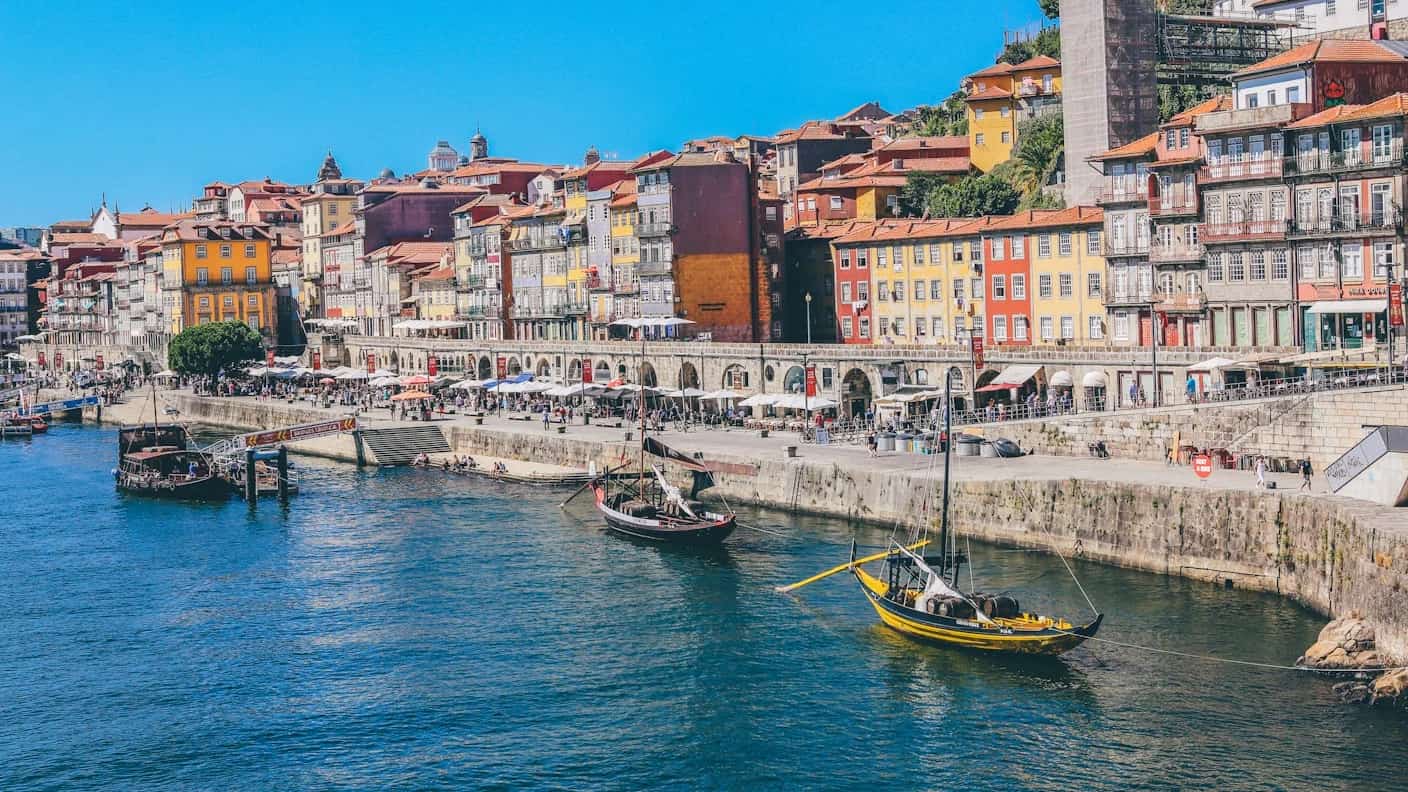
Portugal doesn't have one best month. The popular answer, “go in spring or fall,” is useful but incomplete. It ignores the difference between an Algarve beach holiday, a rainy Porto weekend, a hiking trip in Madeira, and a city break built around museums and restaurants.
The better question is when to visit Portugal for what you want to do. Portugal's tourism calendar has widened beyond a narrow summer peak, and travelers can now choose dates around weather, crowds, regional character, prices, and reliable connectivity. For most mainland itineraries, I recommend mid-May to mid-June or mid-September to early October. Outside those windows, the right choice depends on your route.
Rethinking the Best Time to Visit Portugal
The old summer-only view of Portugal is no longer accurate. Official tourism data for 2025 recorded 82.1 million overnight stays, 32.5 million guests, and EUR 29.1 billion in tourism receipts, with overnight stays growing throughout the year rather than clustering exclusively around summer (Turismo de Portugal). Resident overnight stays rose faster than non-resident stays, which matters because domestic travel helps keep destinations active outside the international summer rush.
Portugal's seasonality has also eased. The country's seasonality rate fell to 36.4% in 2025, its lowest level since 2013, according to recent tourism seasonality reporting. Peak demand still concentrates between June and September, but those months represent a smaller share of annual overnight stays than they once did. In practical terms, Portugal is increasingly workable in spring, autumn, and winter.
That doesn't mean every month suits every trip. July can be excellent for a coastal route and frustrating for an inland sightseeing itinerary. January can be atmospheric in Lisbon and Porto, but it's the wrong choice if your main goal is dependable beach weather. The islands follow their own rhythm, too.
My default recommendation: Choose mid-May to mid-June for long sightseeing days, moderate temperatures, and a lively but manageable atmosphere. Choose mid-September to early October if you want warmer coastal conditions and fewer peak-season crowds.
The same principle applies across Europe. If you're comparing Portugal with another off-season destination, Passport Premiere's guide to Prague in November is a useful reminder that cooler months can reward travelers who prioritize atmosphere, culture, and space over guaranteed sunshine. You can also compare broader seasonal patterns with this guide to the best time to visit Europe.
Forget the search for a universally perfect date. Decide whether your priority is beaches, cities, wine, hiking, surfing, lower costs, or avoiding crowds, then choose the region and month that support it.
Month by Month Weather and Crowd Analysis
Portugal's climate changes noticeably from the Atlantic coast to the interior and from the north to the Algarve. The broad pattern is clear: winter is wetter, summer is drier and hotter, and the shoulder seasons offer the most balanced conditions for a multi-stop trip. One climate overview places average temperatures at 17.1°C in January, 26.3°C in July, and 17.2°C in October, while rainfall falls from 4.72 inches in December to 0.4 inches in July and August (Rough Guides' Portugal climate guide).
January and February
January is a good month for travelers who want Lisbon, Porto, museums, food, and slow urban days. Expect mild conditions by northern European standards, but plan for Atlantic rain, especially in Porto and along the west coast. The Algarve is quieter and often brighter, yet it isn't the right destination for a conventional swimming holiday.
February keeps the same basic profile. Carnival events can add energy in some places, but weather remains changeable. Pack waterproof layers rather than assuming the south will deliver uninterrupted beach weather.
March and April
March brings more useful outdoor conditions, particularly in Lisbon, Alentejo, and the Algarve. Northern Portugal can still be wet, while spring showers remain possible across the country. This is a strong period for walking, food-focused travel, and cultural routes that don't depend on hot beach weather.
April is more appealing for a broad mainland itinerary. Gardens, historic districts, and countryside become easier to enjoy, although coastal wind and rain can still disrupt plans. Book around your priorities rather than chasing a particular temperature. If you want hiking and city exploration, April is a sensible compromise. If you want warm sea time, wait.
Mid-May to mid-June
This is my favorite mainland window. Travel climatology guidance consistently identifies mid-May to mid-June as one of Portugal's most technically favorable periods because it combines moderate temperatures, long daylight, and less crowd pressure than July and August (Portugal Online's temperature guide).
Lisbon is comfortable for hills and neighborhoods, Porto works well for walking and day trips, and the Algarve is active without the full intensity of peak summer. Inland areas such as Alentejo can already feel warm in the afternoon, so schedule outdoor activities earlier and leave the hottest part of the day for lunch, shade, or a museum.
July and August
July and August deliver Portugal's most dependable dry weather, particularly in the south, but they also bring the highest pressure on popular beaches, historic centers, roads, and accommodation. The interior can become uncomfortably hot for long sightseeing days, while Lisbon and Porto may feel congested around major attractions.
Choose these months when school holidays or beach time make summer unavoidable. Stay near the coast, start sightseeing early, reserve popular restaurants, and don't build an ambitious inland route that requires hours of midday walking. In the Algarve, early mornings and late afternoons are far more enjoyable than trying to cover beaches and villages under the strongest sun.
September to early October
This is the other standout window. September retains much of summer's coastal appeal while crowd levels begin to ease, and early October gives you a more relaxed atmosphere for city breaks, wine regions, and walking routes. Independent guidance also identifies September and October as a strong Algarve compromise, with beach-friendly conditions and fewer visitors than the central summer period (Lonely Planet's Portugal timing guide).
The Atlantic can become more unsettled as autumn advances, particularly in the north and west. Keep a rain layer available, especially if Porto or the Douro Valley is on your route.
November and December
Late autumn and early winter suit travelers who care more about culture, food, and local pace than beach guarantees. Lisbon remains the strongest mainland choice for a first winter visit, while Porto rewards travelers comfortable with wet weather and flexible plans. The Algarve becomes peaceful and can be attractive for walking, golf, and low-key coastal stays, but many beach-oriented businesses operate on a reduced seasonal rhythm.
For broader ideas on finding lower-cost winter travel, Global's winter vacation planning guide offers useful context. Don't mistake a quieter month for a completely empty destination. Portugal's tourism activity now spreads more evenly through the year, so you can still find open restaurants, transport, and cultural attractions outside summer, though you should verify seasonal opening hours.
| Season | Average temperature profile | Crowd level | Price tier |
|---|---|---|---|
| Winter | Mild but wetter, especially in the north | Low to moderate | Lower |
| Spring | Mild, increasingly sunny, with occasional showers | Moderate | Moderate |
| Summer | Hot and dry, especially inland and in the south | High | High |
| Autumn | Warm at first, then cooler and wetter | Moderate to low | Moderate to lower |
The practical conclusion is simple. For weather and crowd balance, choose the two shoulder-season windows. For beaches, choose late spring, summer, or early autumn. For culture and budget, accept winter's rain and go south or base yourself in Lisbon.
Regional Breakdown for Beaches Cities and Nature
Portugal is compact enough to combine regions, but not uniform enough to use one national recommendation. The Algarve, Lisbon, Porto, Madeira, and the Azores each reward different timing decisions.
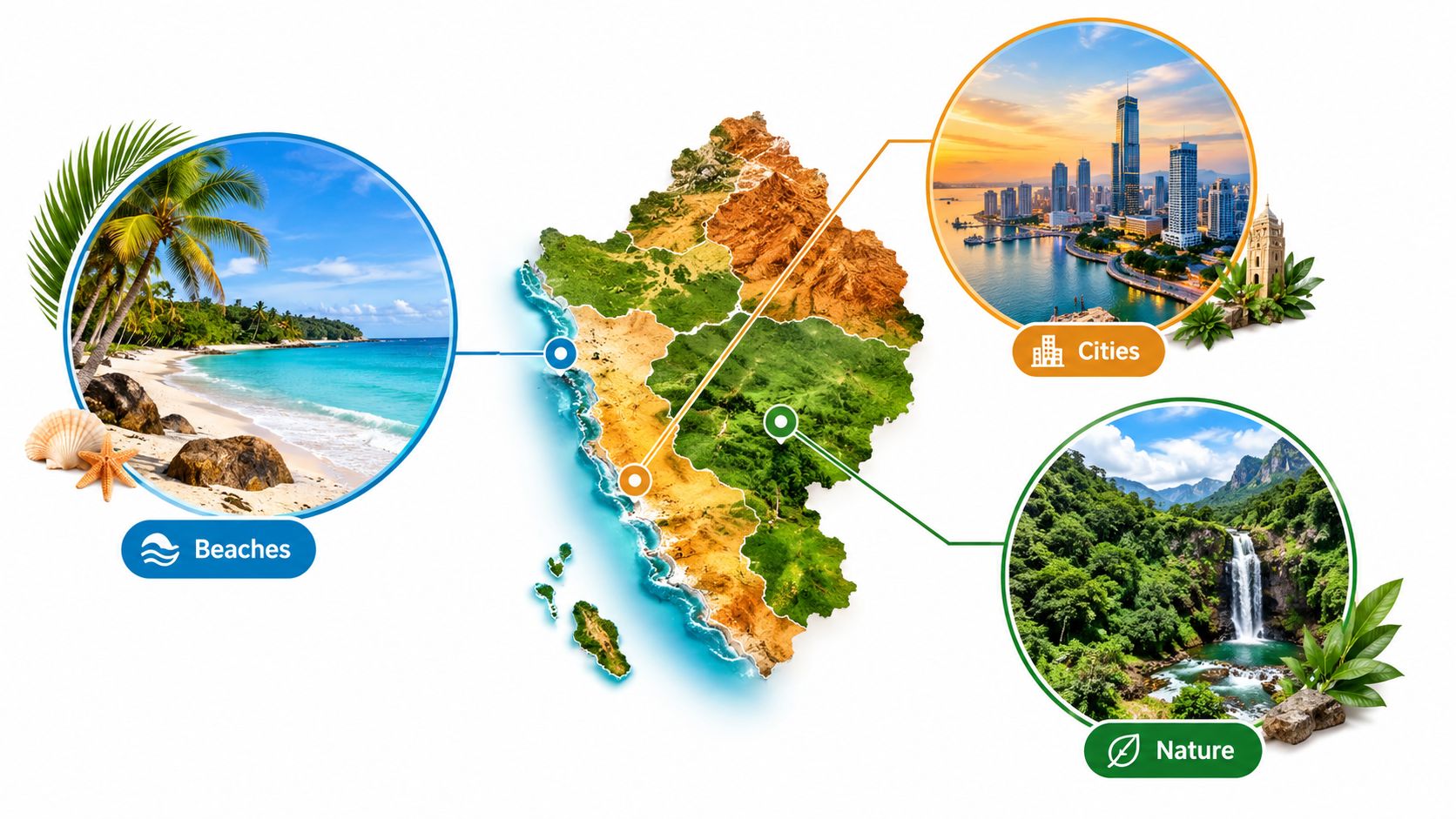
Algarve beaches and coastal villages
For a beach-first trip, aim for late spring or early autumn. July and August offer the strongest summer atmosphere, but they also bring the heaviest crowd pressure and the least forgiving conditions for travelers who dislike busy resorts. September is the smarter choice if you want warm beach days without making every restaurant, car park, and viewpoint part of a queue.
October can still work well for coastal walks and relaxed beach time, particularly in the eastern Algarve, though conditions become less predictable. Winter is useful for low-key escapes and outdoor walks, not for a guaranteed swimming holiday. The Algarve remains the wrong answer for a traveler whose central goal is urban culture, even though it can be an excellent add-on after Lisbon.
Lisbon and Porto for city breaks
Lisbon is the more flexible mainland base for a first visit. Its museums, neighborhoods, viewpoints, restaurants, and nearby excursions support an itinerary even when rain interrupts outdoor plans. Choose spring or early autumn for comfortable walking, or winter if you prefer quieter streets and can adapt your schedule around showers.
Porto feels different because the city is denser, hillier, and strongly tied to the north's Atlantic weather. Late spring and early autumn are excellent for walking, river views, and food-focused travel. Summer brings sunshine and energy, but central Porto can feel crowded, especially around its most photographed streets and viewpoints. Winter is rewarding for travelers who enjoy long meals, wine cellars, architecture, and a slower pace.
Don't try to force a beach itinerary onto Porto or a purely quiet escape onto Lisbon. Porto is a stronger choice for compact urban wandering and wine-country access. Lisbon suits travelers who want a larger city with more neighborhoods, museums, and day-trip possibilities.
Madeira and the Azores
Madeira and the Azores deserve separate planning because their appeal is rooted in nature and maritime conditions rather than mainland beach schedules. Hiking, volcanic scenery, botanical environments, and whale-watching can support travel across much of the year, but conditions can shift quickly. Build flexibility into your route, particularly when outdoor activities are the main reason for going.
Madeira is a strong choice for travelers who want dramatic terrain without giving up restaurants and urban comforts. The Azores suit people who prefer a quieter, more nature-led trip and don't mind allowing weather to influence the day's plan. In both destinations, shoulder seasons are attractive because they balance outdoor access with less pressure than the busiest summer period.
| Your priority | Strongest regional choice | Recommended timing |
|---|---|---|
| Classic beach holiday | Algarve | Late spring to early autumn |
| Museums and city neighborhoods | Lisbon | Spring, early autumn, or winter |
| Wine and compact urban travel | Porto and the Douro | Late spring or early autumn |
| Hiking and scenery | Madeira | Shoulder seasons, with flexibility |
| Nature and whale-watching | Azores | A flexible spring-to-autumn plan |
The best regional strategy is to stop treating Portugal as one weather zone. If you combine Lisbon, Porto, and the Algarve, mid-May to mid-June is the cleanest all-purpose choice. If the Algarve dominates your itinerary, shift later into September or early October.
Ideal Travel Windows by Traveler Profile
Your travel style should determine your dates more than a generic climate chart. A family with fixed school holidays, a remote worker, and a serious surfer are solving different problems.
Budget travelers
Choose winter, especially for Lisbon, Porto, or the southern coast, if your main goal is a quieter trip and lower accommodation pressure. You'll trade dependable sunshine for flexibility, and the Atlantic north can be wet. The Algarve is the better winter base if you want outdoor walks and a calmer resort atmosphere.
Your runner-up is late autumn or early spring. These periods usually offer a better balance of usable weather and reduced crowd pressure than the depths of winter. Avoid building a rigid beach itinerary. Instead, combine markets, historic districts, local restaurants, and short coastal excursions.
Families
Choose mid-May to mid-June if your schedule allows it. Temperatures are more manageable for walking, beach time is increasingly viable, and you can build a route that includes Lisbon, the coast, and selected day trips without committing to the hottest part of summer.
If school holidays dictate July or August, simplify the itinerary. Stay in one coastal base, reserve accommodation early, and schedule outdoor activities in the morning. Families lose more time to transfers, queues, and midday heat than they gain by trying to cover every famous stop.
Digital nomads
Choose September to early October. You'll get a strong combination of mild working conditions, walkable cities, coastal access, and a more settled rhythm after the busiest summer period. Lisbon and Porto both support café-based days, but choose accommodation with a dedicated workspace rather than assuming every attractive apartment is practical for calls.
Spring is the runner-up, particularly mid-May to mid-June. The main trade-off is that Atlantic weather can still change quickly, so keep your work schedule and outdoor plans separate. For guidance on mobile connectivity while working abroad, see this practical overview of an eSIM for digital nomads.
Surfers
Don't choose your dates based only on beach air temperature. Portugal's Atlantic coast has a serious surf culture, and the best window depends on the break, your ability, and the type of swell you're seeking. Autumn and winter are the logical choices for travelers prioritizing larger conditions, while late spring and summer suit beginners and those who want gentler beach days.
Base yourself near the coast instead of trying to combine every major city with daily surf sessions. The west coast can be windy and changeable, so leave room to move between beaches when conditions shift.
Hikers and nature travelers
Choose spring or early autumn, then select the region according to the terrain. Mainland routes are easier to enjoy in moderate conditions, while Madeira and the Azores offer year-round nature opportunities with weather variability that demands flexibility.
Your runner-up is winter in the south, where the climate can be friendlier for walking than in the wetter north. Don't pack only for sunshine. Hiking shoes with dependable grip, a rain shell, and layers are more useful than a suitcase full of warm-weather clothes.
A useful rule applies to every profile: choose one primary goal and one secondary goal. Beach plus food is easy to combine. Surf plus extensive inland sightseeing is harder. Remote work plus a multi-city road trip creates unnecessary friction. Your dates work best when your itinerary respects those limits.
Seasonal Itineraries and Packing Strategies
The easiest way to understand Portugal's timing is to see how a trip behaves on the ground. Each season changes the balance between movement, outdoor time, reservations, and backup plans.
Spring and summer coastal route
Start in Lisbon, where mornings are ideal for neighborhoods and historic sights. Move south toward the Alentejo coast or Algarve, keeping the middle of the day for lunch, swimming, or a shaded stop rather than an ambitious walking route. A coastal itinerary works best when you resist the urge to change hotels every night.
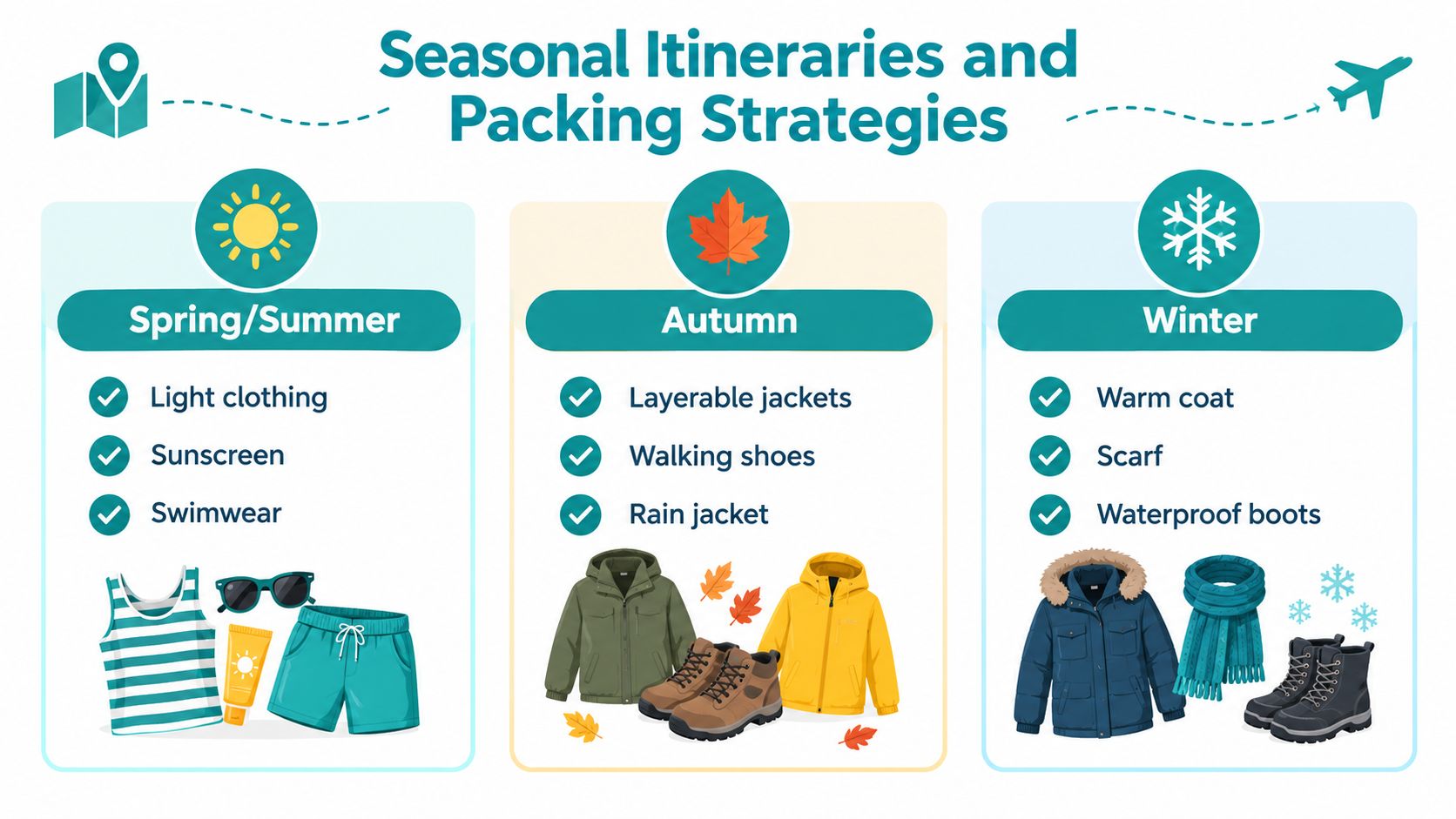
Summer demands light clothing, sunscreen, swimwear, and a thin layer for Atlantic evenings. Even in warm weather, coastal wind can make a jacket useful after sunset. Choose shoes with grip and support, because Lisbon's slopes and stone pavements punish flimsy footwear.
Autumn city and wine route
Begin in Porto and spend your first days exploring on foot, with time for the riverfront, tiled architecture, and food. Continue into the Douro Valley for wine-country scenery, then return south toward Lisbon if your schedule allows. Early autumn makes this route especially pleasant because you can combine urban walking with countryside without committing to the harshest inland heat.
Pack layerable jackets, comfortable walking shoes, and a rain jacket. Porto's weather can turn wet while Lisbon remains more inviting, so a waterproof outer layer earns its space. For a compact approach to luggage, this proactive packing planning guide can help you organize around actual activities rather than imagined outfits.
Winter cultural deep-dive
Base yourself in Lisbon and plan a flexible sequence of museums, markets, historic neighborhoods, and restaurants. Use brighter days for viewpoints and outdoor districts, then keep indoor alternatives ready when rain arrives. Add the Algarve if you want a calmer southern contrast, but don't sell the trip as a beach break.
Winter packing means a warm coat, scarf, waterproof boots, and layers that work indoors and outside. Porto deserves similar preparation, with extra tolerance for wet weather. If you're heading toward Serra da Estrela or combining northern mountains with southern beaches, pack for genuine regional variation rather than relying on one jacket.
What to put in every bag
- Walking shoes: Pick support and grip over appearance. Lisbon, Porto, and historic villages all involve uneven surfaces and slopes.
- Light layers: A shirt, overshirt, and thin jacket give you more control than one heavy garment.
- Rain protection: Bring a proper rain jacket for northern Portugal, the Atlantic coast, and winter travel.
- Sun protection: Sunglasses, sunscreen, and a hat matter outside the hottest months too.
- Swimwear: Pack it for the Algarve, Madeira, and coastal stays, but don't make it the foundation of a winter itinerary.
- Small day bag: Keep water, a layer, and essentials accessible without carrying a full backpack through crowded streets.
The best packing strategy is modular. Build one outfit for walking, one for rain, one for warm afternoons, and one for a restaurant or evening. Portugal rewards travelers who can adjust without returning to the hotel every time the weather changes.
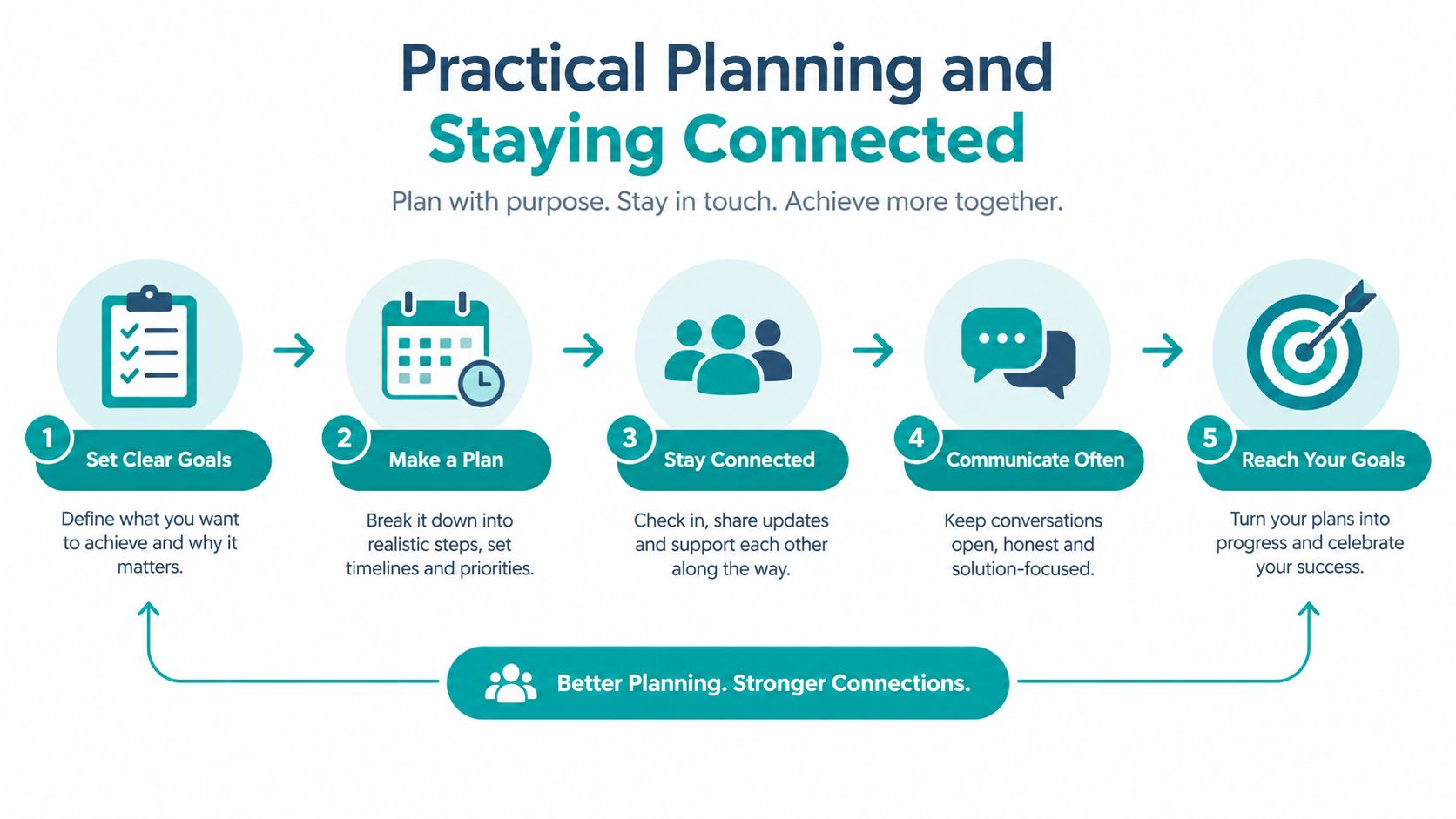
Practical Planning and Staying Connected
Good timing won't rescue a poorly sequenced itinerary. Portugal is easier when you book the high-friction parts first, then leave flexibility around weather-dependent activities.
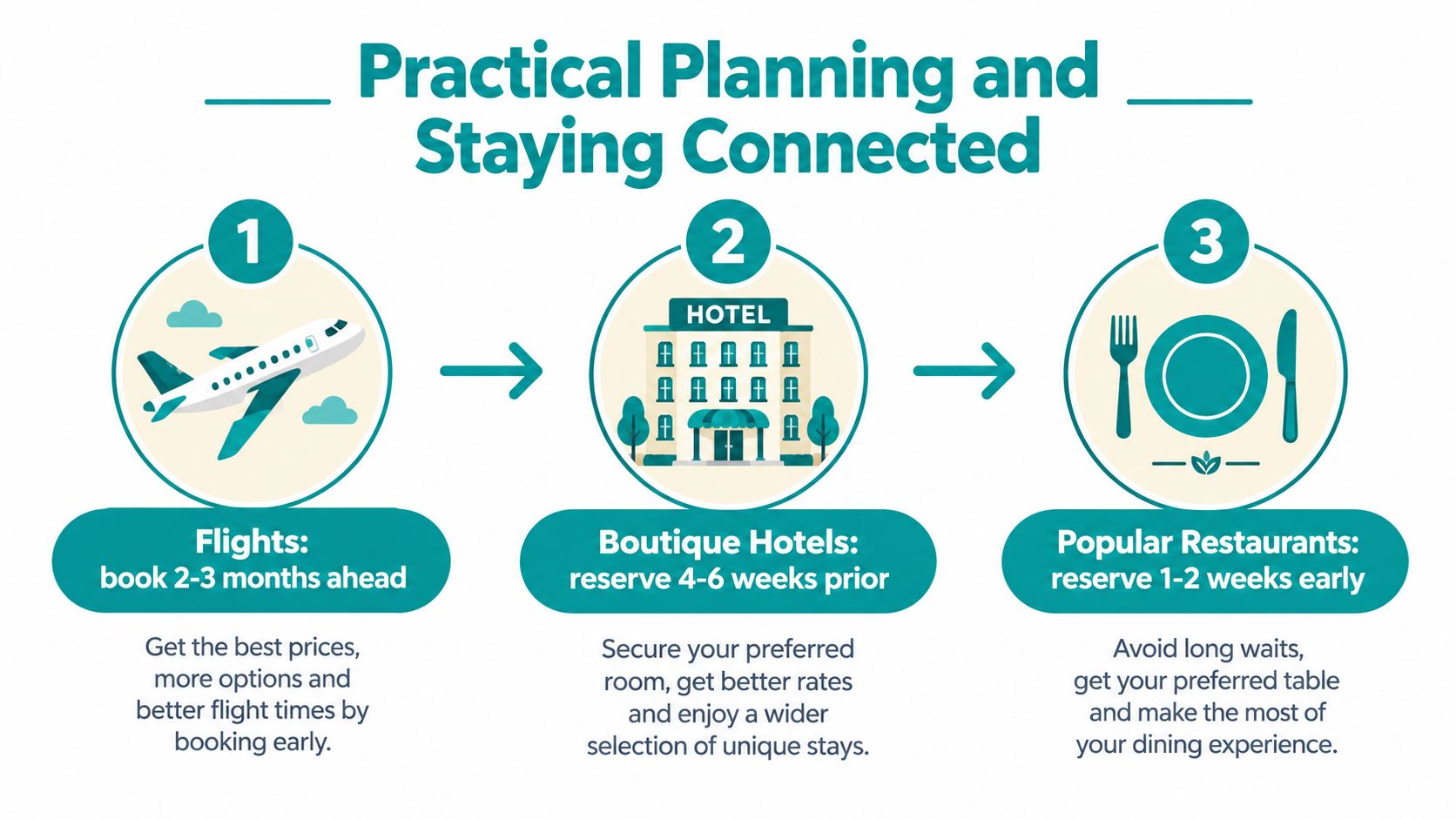
Start with transport and accommodation. For a shoulder-season trip, secure flights and your main hotels before filling every day with tours. Reserve distinctive boutique stays before the rest of the route, then book popular restaurants once you know your arrival times. Keep at least one unscheduled block in each region so rain, fatigue, or a delayed connection doesn't derail the entire trip.
A simple booking order
- Set the priority: Decide whether beaches, cities, nature, wine, or surfing leads the itinerary.
- Choose the region: Match that priority to the Algarve, Lisbon, Porto, Madeira, or the Azores.
- Book the arrival and departure: Open-jaw routing can reduce unnecessary backtracking when your itinerary spans Lisbon and Porto.
- Reserve the difficult nights: Secure the locations with limited accommodation before adding optional stops.
- Plan connectivity before departure: Install your travel eSIM while you still have dependable Wi-Fi and access to your booking information.
Airport Wi-Fi is a poor arrival strategy. You need maps, translation tools, transport apps, reservation details, and messages as soon as you leave the aircraft, not after you find a café or troubleshoot a roaming package. A local or regional eSIM lets you keep your regular number for calls and messages while using a separate data plan for travel.
Simsima offers prepaid Portugal and Europe eSIM plans, with Smart Link installation or QR-code setup, no physical SIM, and no app requirement. Check that your phone supports eSIM, confirm whether it can use other carriers, and install the plan before departure. Follow this guide to setting up an eSIM if you haven't used one before.
Arrival checks that prevent avoidable problems
Before boarding, download offline maps for your first city and save your accommodation address in a format you can show to a driver. Keep your booking confirmations available offline, especially if you're arriving late or moving straight to a train station.
After landing, check that your phone has selected the travel line for mobile data and that data roaming is disabled on your home line if your carrier charges for it. Test maps and messaging before leaving the airport. This takes a moment and avoids discovering a configuration problem halfway through a transfer.
Practical rule: Your first travel day should contain one essential plan, not five. Connectivity helps you adapt, but it can't make an overloaded arrival enjoyable.
Use mobile data for navigation, translation, restaurant research, transport updates, and contacting accommodation. Don't depend on it as your only copy of everything. Save critical addresses and tickets locally, because coverage can vary on rural roads, mountain routes, and island interiors.
The right connection supports the season you choose. Shoulder-season itineraries often combine cities, coast, and countryside, which means you'll need directions and updates across several environments. Winter trips need flexibility around rain, while summer routes benefit from live transport and reservation access when popular areas are busy.
Final Thoughts on Timing Your Portuguese Adventure
The answer to when to visit Portugal depends on the trip you want to take.
Choose mid-May to mid-June for the strongest all-round mainland experience. Choose mid-September to early October for warm coastal conditions, more breathing room, and a particularly good balance between beach time and city exploration. Choose winter for Lisbon, Porto, food, culture, and quieter travel. Choose summer when the Algarve or a coastal holiday matters more than crowd avoidance.
Portugal's tourism calendar has become less concentrated, with the seasonality rate falling to 36.4% in 2025, the lowest level since 2013 (The Portugal News). That doesn't erase regional weather or peak-season pressure, but it does mean you have more viable choices than the old summer-only narrative suggests.
Make the decision in this order: identify your primary activity, select the matching region, choose the shoulder season unless that activity requires another window, and then build a route that leaves room for weather. Reserve the important logistics, pack layers and proper shoes, and prepare your mobile data before you land.
Simsima offers prepaid Portugal and Europe eSIM plans that you can install digitally before departure, helping you access maps, translation tools, reservations, and transport information as soon as you arrive. Visit Simsima to compare plans for your Portugal itinerary and stay connected across every season.
#when to visit portugal#portugal travel guide#portugal weather#portugal eSIM#portugal itinerary

Dimitri MorvanFounder
Founder of Simsima. A passionate traveler based in Barcelona, he helps travelers stay connected without breaking the bank on roaming fees.
LinkedIn