-5% on your 1st eSIM
WELCOME5
Loading...

Prepaid eSIMs work well for two weeks. The failure modes show up around week five, when the plan expires with 6 GB left on it. What breaks past 30 days, and how to plan around it.
 Dimitri Morvan
Prepaid travel eSIMs work well for a two-week trip. The failure modes show up later, somewhere around week five, when the plan you bought at the airport quietly expires with 6 GB left on it. None of this is hidden, but almost nobody reads the validity terms before buying.
Prepaid travel eSIMs are reliable for stays under 30 days but hit three limits beyond that: fixed validity windows that expire even with data left, top-ups that must be bought before expiry rather than after, and networks that may not reselect automatically after a long idle period. Plan renewals ahead rather than reactively.
Short trips rarely expose any of these, which is why the reputation of prepaid eSIMs is better than the long-stay experience deserves. Each one has a workaround, and each one costs you a day of connectivity if you meet it unprepared.
This is the single most common support ticket in the category. Someone buys 20 GB valid for 30 days, uses 14 GB, and finds the line dead on day 31 with 6 GB showing in the app. The balance is real. The plan is not.
Two clocks run on every prepaid plan: the data allowance and the validity window. Whichever hits zero first ends the plan. The validity clock usually starts on first connection to a network abroad, not at purchase, which is what makes installing early safe.
For a long trip, buy shorter plans in sequence rather than one long one. A 30-day plan renewed three times gives you the same coverage as a 90-day plan with far less stranded data, because you re-size the allowance based on what you actually used last month.
when the validity clock starts — install early, activate on arrival
While the plan is live, a top-up extends it. The profile stays installed, the line keeps working, and nothing on the phone changes. This is the cheap and painless path.
After expiry, the picture changes by provider. Some let you revive the same profile. Others issue a new eSIM, meaning a new QR code, a new install, and a gap in service while you find Wi-Fi to do it. If you are somewhere without reliable Wi-Fi, that gap can last a day.
Set a reminder for three days before expiry. It is the single habit that removes most long-stay friction.
Travel eSIMs are priced for travel. Local carriers price for residents, and past a certain point that difference outweighs the convenience.
The threshold sits around three months in a single country. At that duration you are buying four consecutive travel plans, dealing with four renewals, and paying a tourist margin on each. A local prepaid line with a monthly allowance usually costs less and behaves better, since it sits directly on the network rather than roaming onto it.
Below three months, or if you are moving between countries, the travel eSIM stays ahead. Registration paperwork, shop hours and a changing phone number are real costs that the price tag never shows.
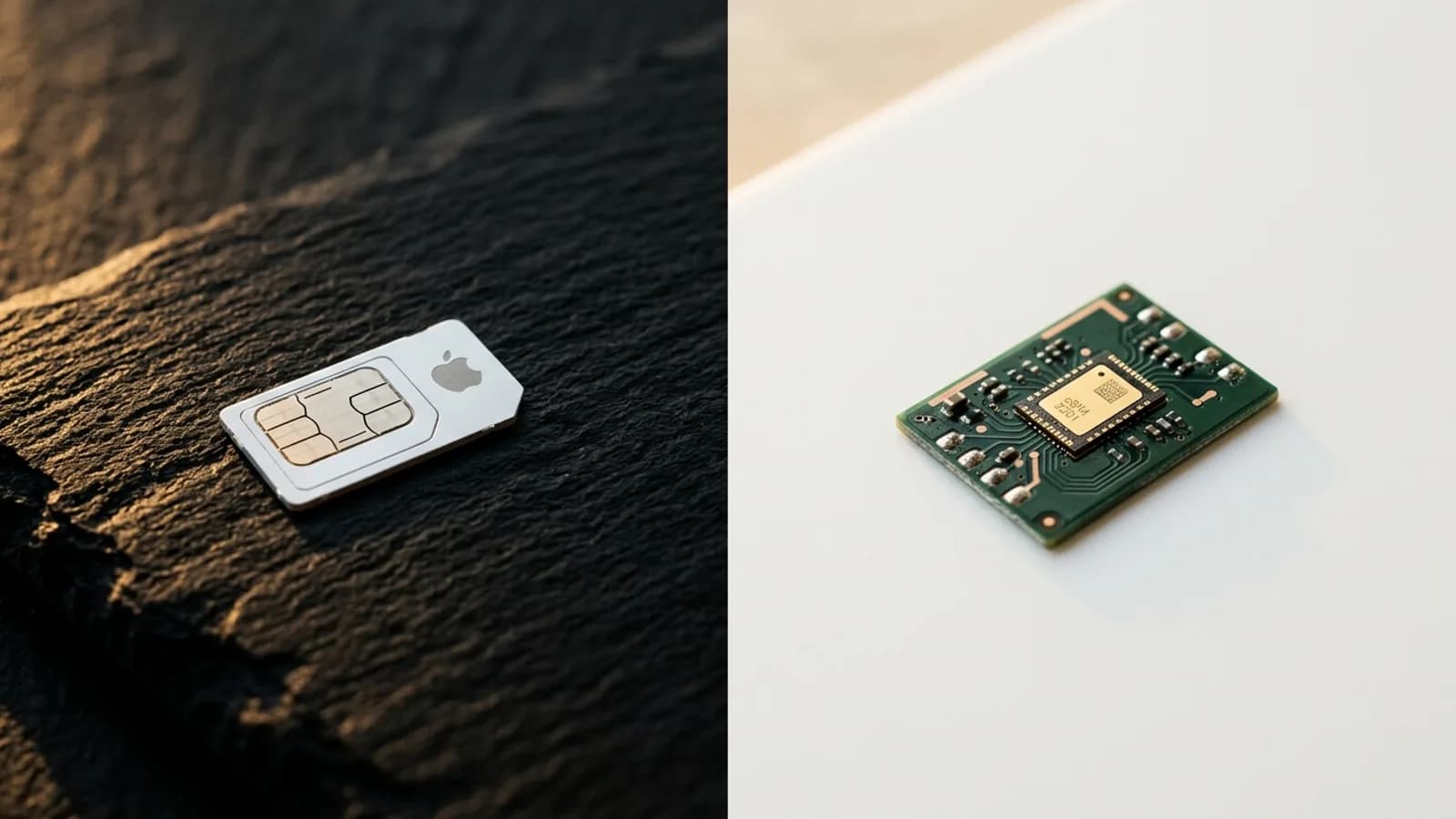
eSIM against a physical SIM card — where each one holds up
Most long-stay outages are one of four things, in descending order of likelihood.
a full diagnostic for an eSIM that will not connect — working through the causes in order
Top up a live Simsima plan from the app in 200+ countries and regions, and keep the same profile on your phone.
If you are moving continuously rather than settling, the constraints are different again. Tethering rules and remote renewal matter more than raw price.
what to check on a data plan when you live abroad — tethering, throttling and KYC
The plan does, not the eSIM profile itself. Every prepaid travel plan carries a validity window, commonly 7, 15, 30 or 90 days, and the line stops carrying data when that window closes even if data remains. The clock usually starts on first connection abroad rather than at purchase.
It depends on the provider. Some let you revive a lapsed profile with a top-up; others require a new plan and a new install, which means finding Wi-Fi to scan a fresh QR code. Topping up while the plan is still live avoids the question entirely, so set a reminder a few days before expiry.
No. A travel eSIM adds a second line. Your original number stays on the phone and remains reachable for calls and texts, as long as you keep that line enabled. Turn off its data roaming so it does not bill you while the travel eSIM carries data.
Yes, if you renew deliberately rather than reactively. Buy 30-day plans in sequence, top up before each expiry, and re-size the allowance based on the previous month. If you spend the whole six months in one country, a local SIM will usually cost less and need less attention.
After extended time on airplane mode, some phones fail to reattach to a partner network automatically. Toggle airplane mode on and off, and if that does not restore service, select the carrier manually in your network settings instead of leaving it on automatic.

Founder of Simsima. A passionate traveler based in Barcelona, he helps travelers stay connected without breaking the bank on roaming fees.
LinkedIn